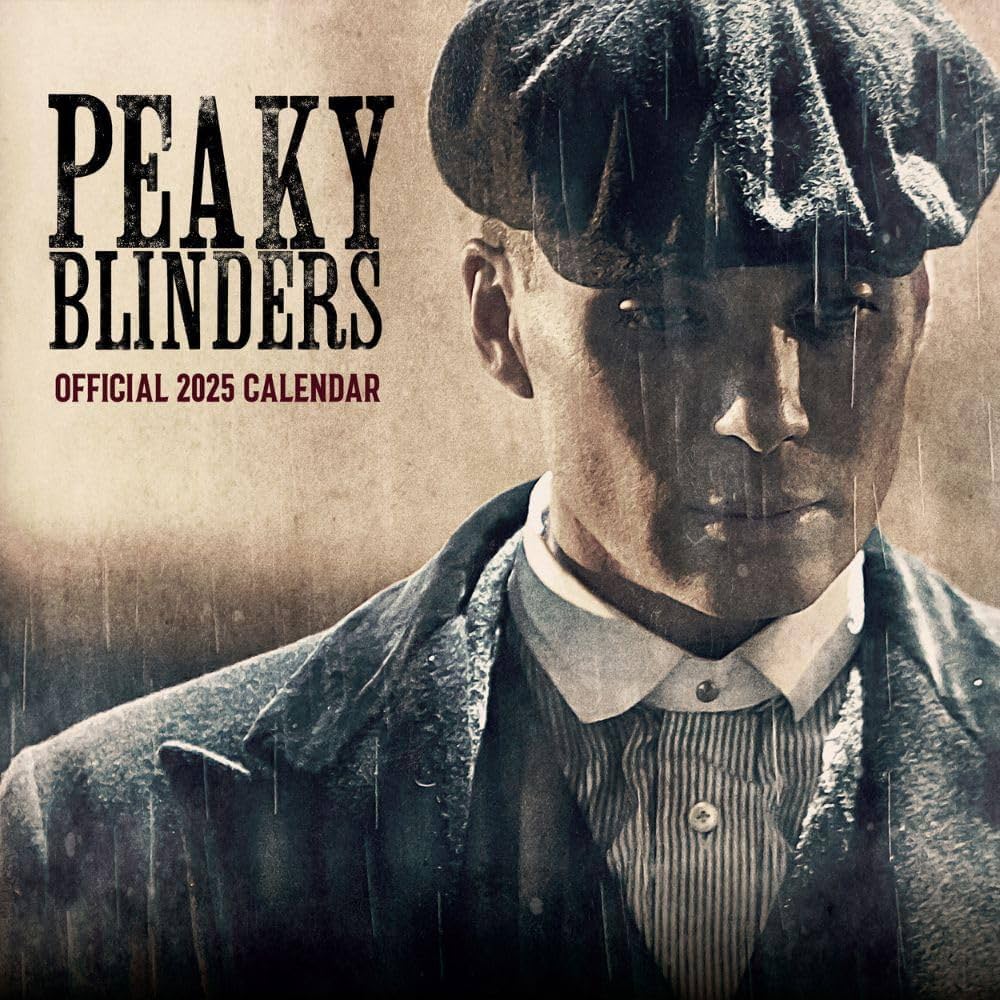
There is a quiet before every collapse. In Peaky Blinders: The Reckoning (2025), that silence is deafening.
Once, Thomas Shelby ruled Birmingham like a king carved from smoke and iron. His name alone could stop wars, silence rooms, and bend men to their knees. But power, like memory, decays over time — and the world he shaped with razor blades and blood is no longer willing to bow.
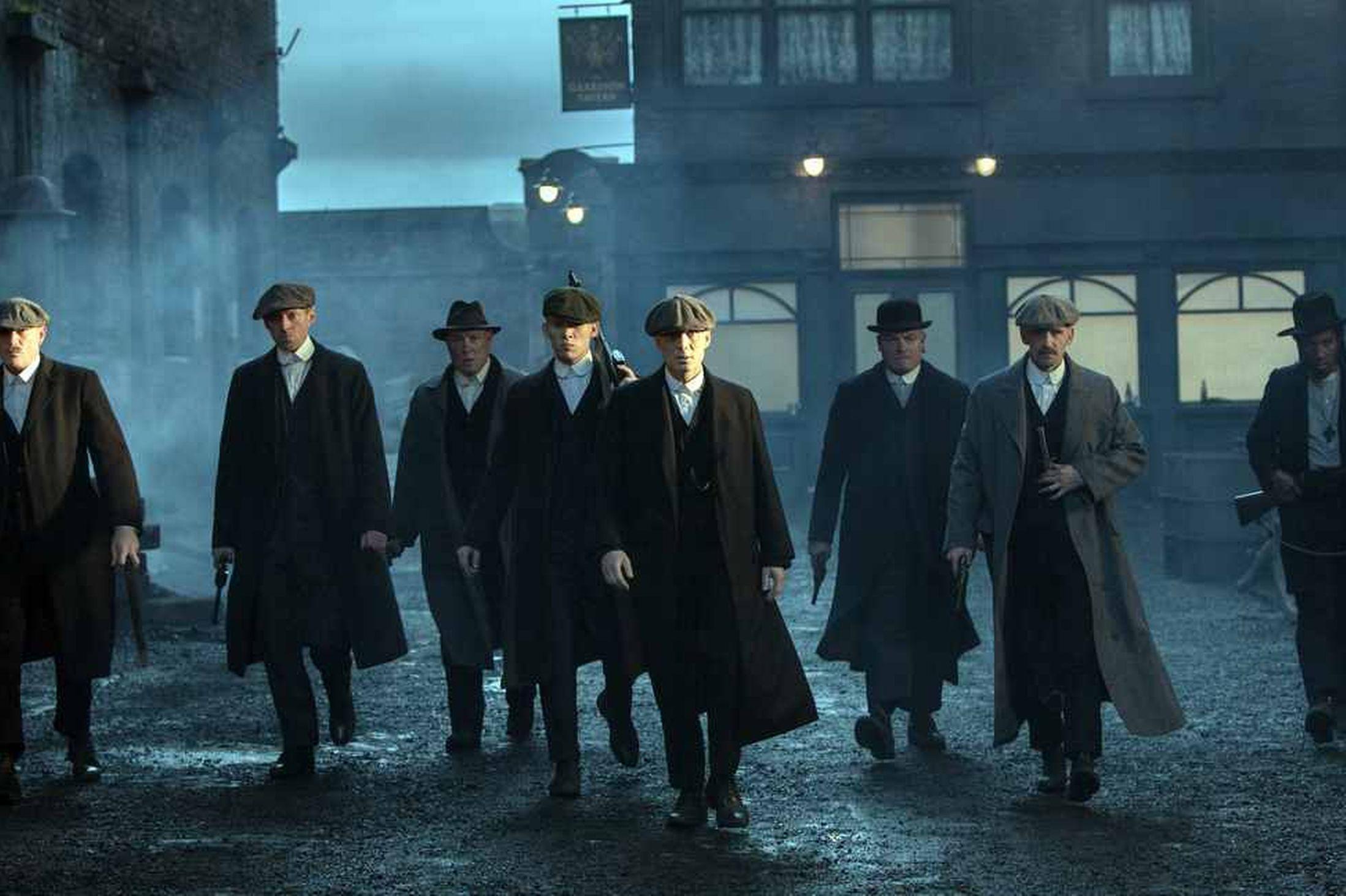
The film unfolds in a Britain haunted by the scars of its past. Economic unrest bubbles beneath the streets. Political forces sharpen their gaze on men like Thomas. Criminal empires evolve. And in the shadows, old enemies — forgotten, wounded, and furious — begin to circle once more. They do not want territory. They want reckoning.
Thomas is no longer simply fighting gangs or governments. He is fighting history itself. Every corner of Birmingham carries the echo of a decision he once made. Every face in a crowd could belong to a ghost. The Reckoning pushes him into a psychological war more brutal than any gunfight he has survived.
His family, once his foundation, now stands divided by fear and uncertainty. Some believe the Shelby name is their shield. Others know it has become a target painted in blood. The sense of unity that once defined the Peaky Blinders fractures under unbearable pressure. There are no simple loyalties anymore — only survival and consequence.
Then comes the woman.
Not a lover. Not an ally. Not an enemy.
She is something in between.
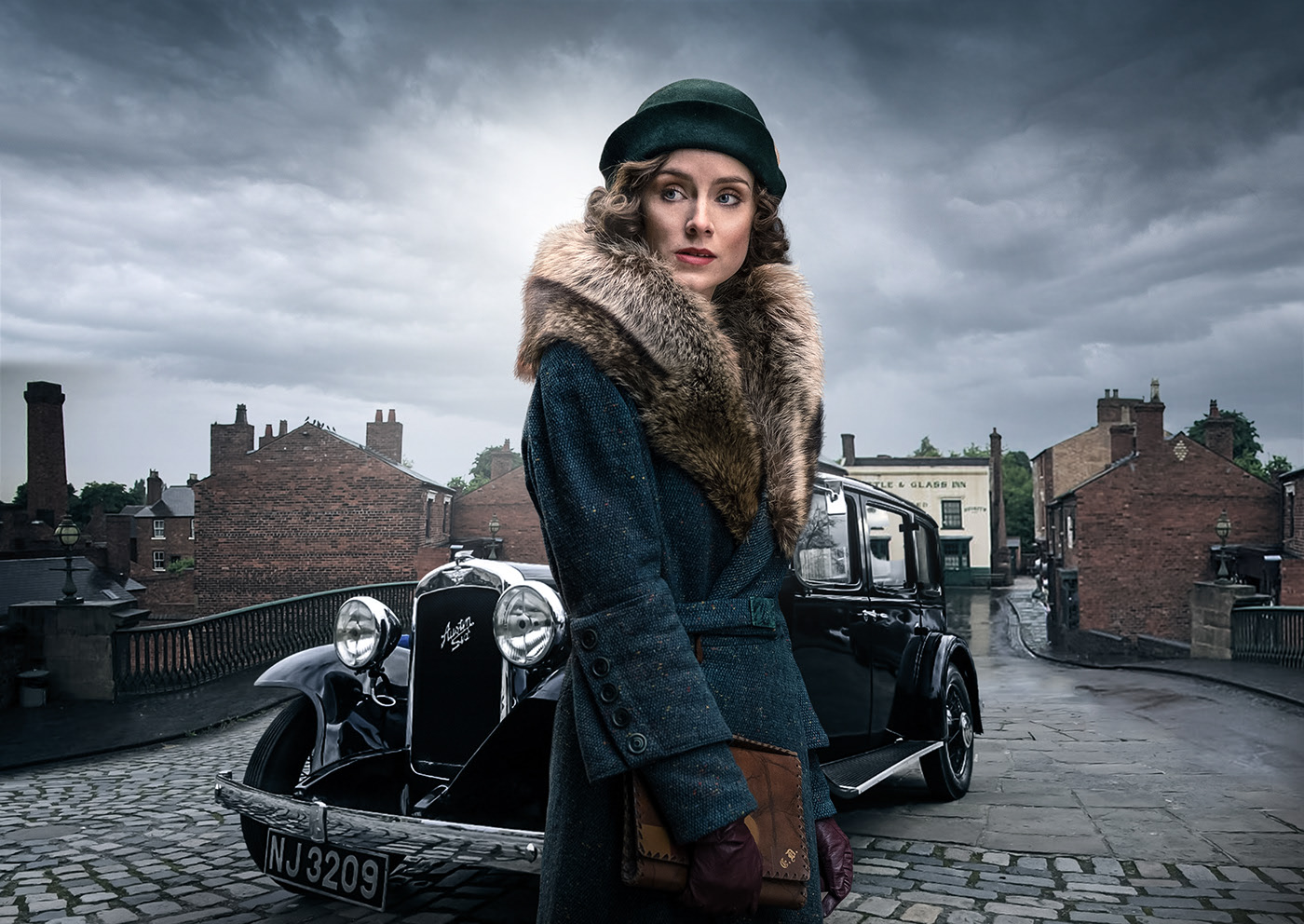
A figure from London’s underworld with knowledge she should not possess and a past that tangles unexpectedly with the Shelby legacy. She does not fear Thomas. She studies him — as if he is a myth finally stripped of protection. Through her, the film introduces a new form of danger: the kind that watches instead of attacks, waits instead of strikes.
Alfie Solomons returns in his own unpredictable fashion, delivering both humor and menace with every word. His conversations with Thomas feel less like dialogue and more like two prophets arguing over the end of the world. Nothing he says can be trusted — and yet everything he says feels uncomfortably true.
Visually, The Reckoning is drenched in shadow and elegance. Candlelight against concrete. Slow-burning cigarettes in empty rooms. Long corridors filled with memory. The violence, when it comes, is raw, intimate, and shocking — not for spectacle, but for meaning. Each bullet feels earned. Each death, inevitable.
But above all, this film is about legacy.
What does a man leave behind when fear is no longer effective?
What remains when respect turns to rumor?
Can power ever be inherited… or does it die with the willing to take it?
By the final act, Thomas Shelby stands not as a gangster, but as a man forced to look into the ruins of his own legend. The question is no longer whether he can win.
The question is whether he deserves to.
Peaky Blinders: The Reckoning does not offer comfort. It offers truth — dark, poetic, and unforgiving.
And when the screen fades to black, one thing is certain:
The world will remember the name Shelby… but not in the way it once did.