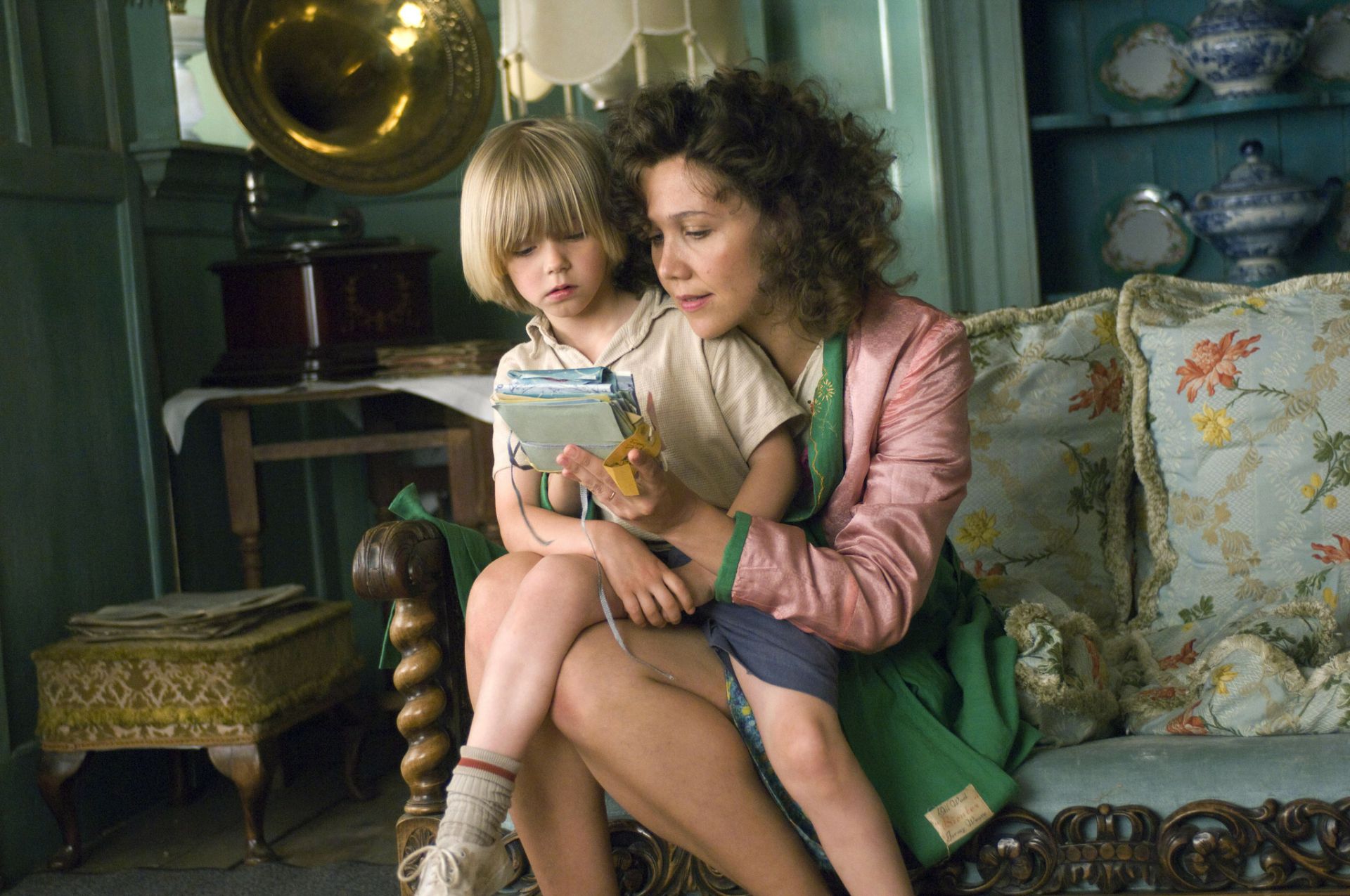
Nearly twenty years have passed since Emma Thompson first captivated audiences as the enigmatic Nanny McPhee — a figure as stern as she is kind, appearing when she is least wanted but most needed. Now, in 2026, the mysterious nanny returns in a story that feels more poignant and timely than ever.
Directed by Kirk Jones and penned by Thompson herself, Nanny McPhee (2026) explores a question that resonates deeply in today’s world: “What happens when we stop believing in kindness, imagination, and one another?”
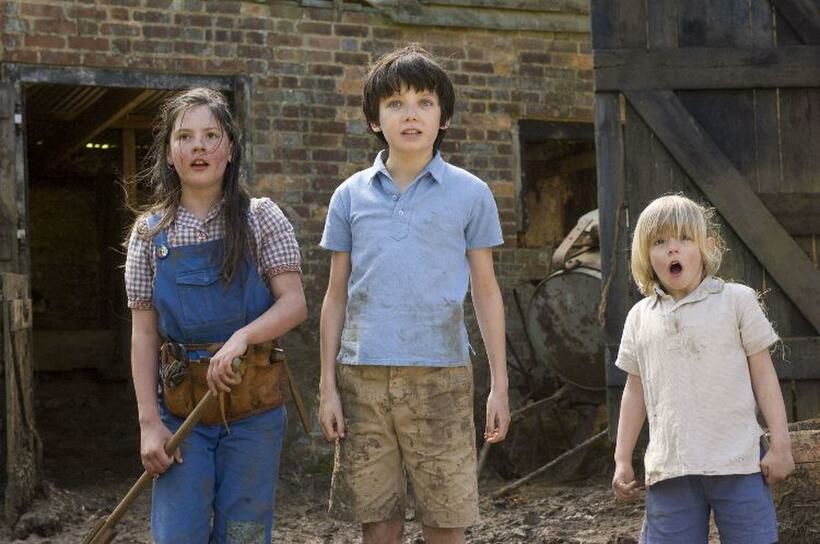
Unlike the idyllic countryside settings of the past, this new chapter unfolds in a modern household illuminated by the glow of screens and weighed down by disconnected lives. The Harper family, led by a weary single mother, struggles to maintain balance amidst work pressures and daily chaos. Her three children are absorbed by smartphones and tablets, their interactions limited to fleeting moments of attention. Laughter is scarce, shared meals are rare, and connection seems lost — until a mysterious knock at the door changes everything.
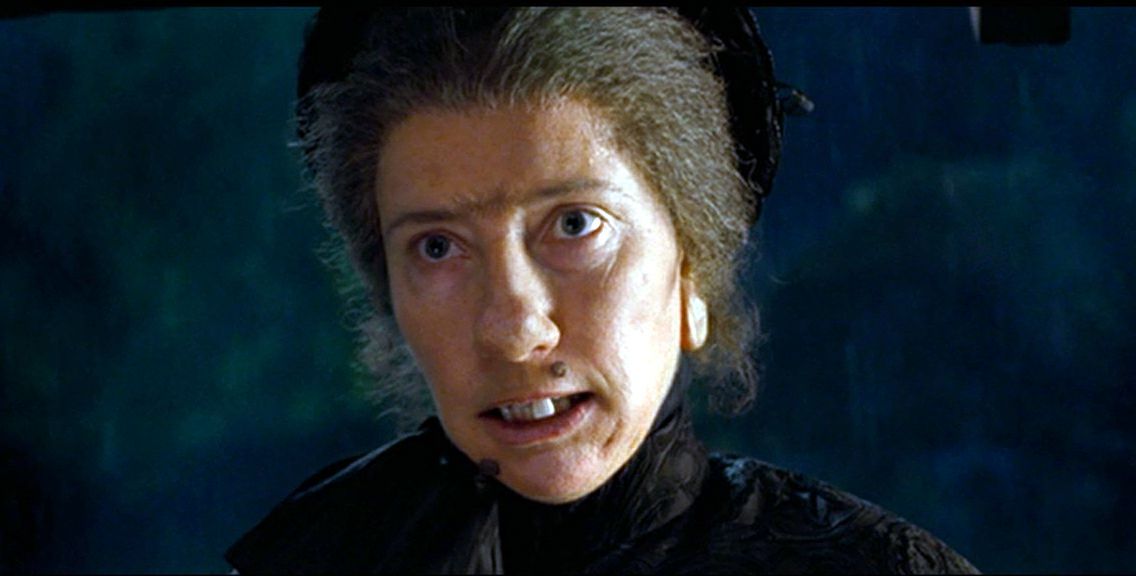
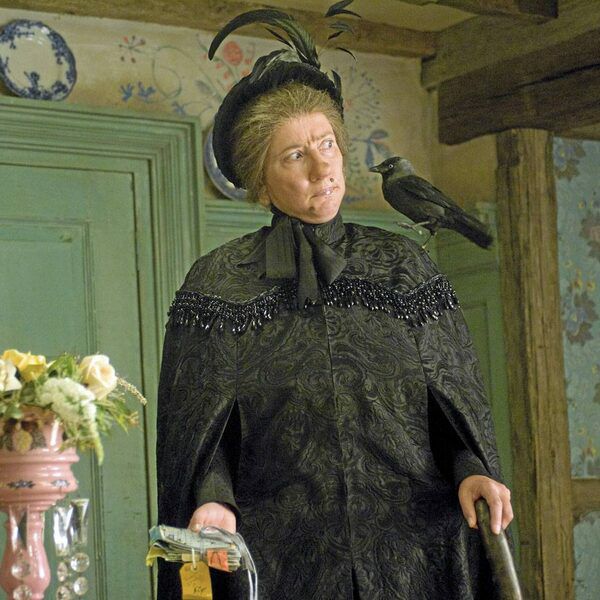
Nanny McPhee returns, her walking stick tapping once, and suddenly the ordinary world begins to shift. But her magic in 2026 is more than correcting misbehavior; it confronts a new kind of emptiness: the isolation born from a life dominated by convenience and digital distraction.
This time, her lessons are subtly transformed for a generation raised by technology:
-
Listen before you speak.
-
Share before you take.
-
Care before you command.
-
See before you judge.
-
Love before you leave.
Through fantastical chaos — toys springing to life, screens dissolving into watercolor skies — these lessons teach the Harper family empathy, patience, and wonder. Beneath the spectacle lies a timeless message: imagination and human connection are essential, not optional.
Emma Thompson’s Nanny McPhee has evolved alongside her audience. Once described as “Mary Poppins with a dark edge,” she now embodies a figure bordering on myth. Her magic seems fragile, fueled by belief itself, and glimpses of her past hint at sacrifices that have shaped her mysterious role. Early reports suggest the film even touches on her mortality, emphasizing that hope and imagination endure only as long as they are believed in.
At its heart, Nanny McPhee (2026) is about family and reconnection. The Harper household reflects the struggles of countless modern homes — parents overworked, children distracted, and silence replacing warmth. Nanny McPhee restores not only order but wonder, reminding them that magic is real once you choose to believe again.
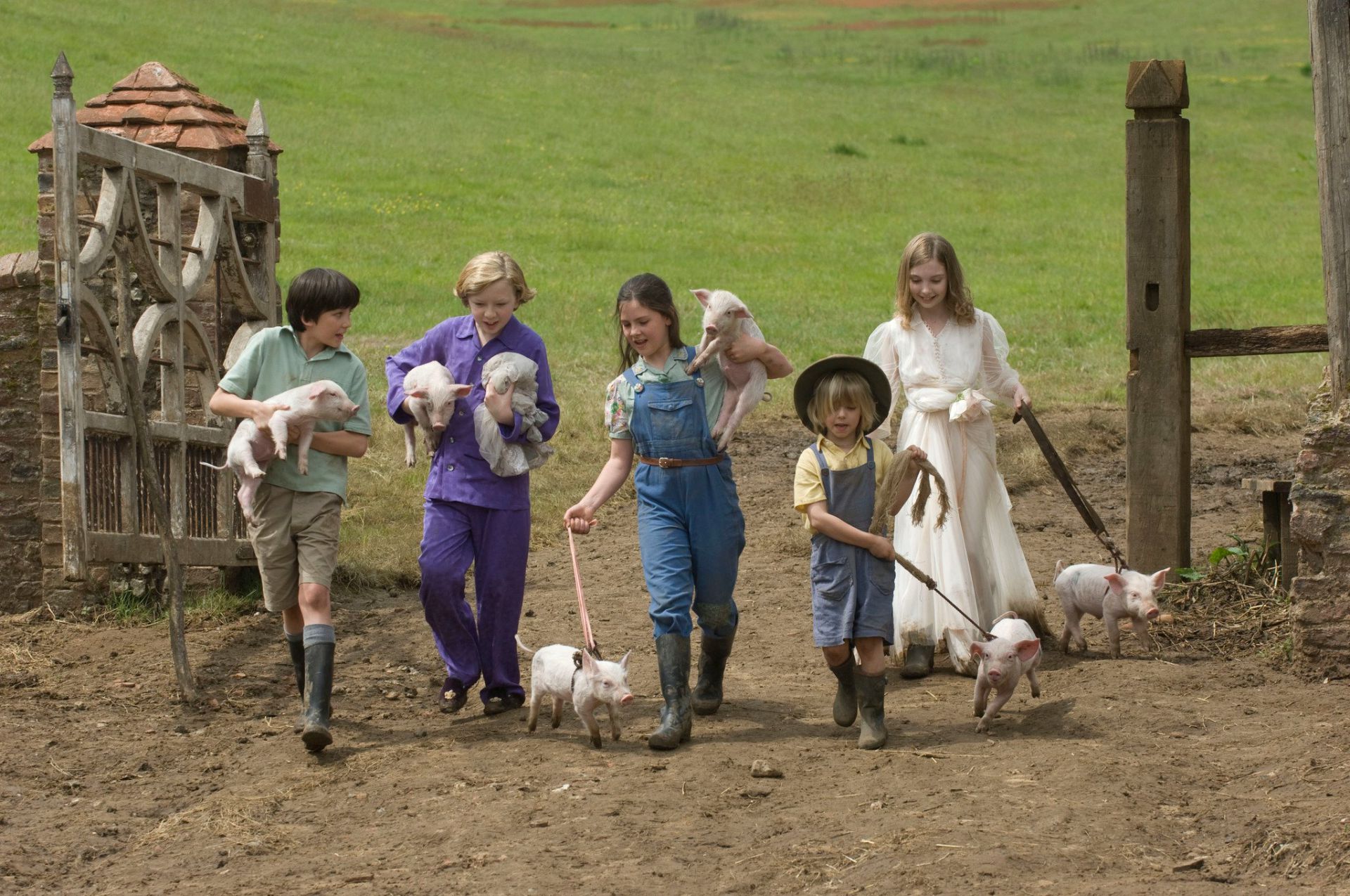
Visually, the film blends soft pastels with glowing light, turning ordinary spaces into portals of imagination, accompanied by a whimsical yet tender score. Audiences can expect the warmth of Paddington combined with the visual splendor of Mary Poppins Returns, all grounded in Thompson’s poetic realism.
For longtime fans, it’s a reunion with a beloved character. For younger viewers, it’s a reflection on rediscovering human connection. Above all, it’s a testament to the enduring power of kindness, empathy, and imagination — proving that, even in a digital age, the greatest magic is love.
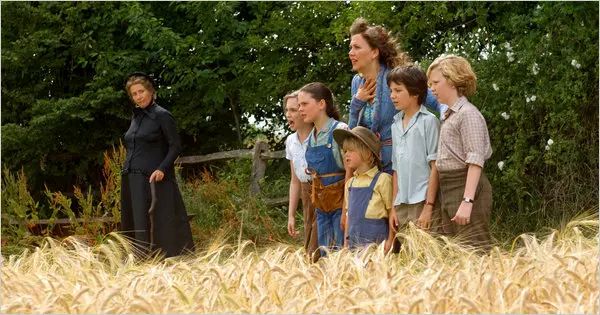
“When you can see the beauty in the ordinary, you’ll never lose me,” Nanny McPhee reminds us — a lesson that has never felt more necessary.